Child Rich Communities’ Learning Cluster 2025-2026
Across Aotearoa, local communities have been leading the way in creating places where children and young people thrive. To better understand what truly supports child and youth wellbeing, we walked alongside four incredible community-led initiatives, each grounded in place, passion, and a vision for better outcomes for tamariki, rangatahi and their whānau.
Over 18 months, these four sites shared their experiences, challenges, successes and insights. Through regular connection and shared learning, together they built a collective story of what child-rich community development looks like in action, and how it can shift systems and support long-term wellbeing.
While the Learning Cluster has now concluded, the stories, reflections and resources remain. Explore the journey and what these communities learned below.
Learning Cluster update – June 2026
The Child Rich Communities Learning Cluster has now concluded, marking the end of an 18-month journey alongside four inspiring communities across Aotearoa.
Together, these communities explored what it means to create places where tamariki, rangatahi and whānau can thrive. While each worked in a different context, they shared a common commitment to listening deeply, building on strengths, and creating change alongside the people who know their communities best.
The Learning Cluster reinforced a simple but powerful idea: when we see the world through the eyes of a child, services, organisations and communities become more responsive, connected and inclusive.
The Learning Cluster also played an important role in refreshing the Child Rich Communities Practices. Drawing on the experiences of all four sites, the updated practices reflect the collective learning from this 18-month journey. Explore them here.
Thank you to our Learning Cluster communities
A heartfelt thank you to the four communities who generously shared their time, experiences and learning over the past 18 months. Your openness, honesty and willingness to reflect on both the challenges and successes of your journeys have created a rich source of learning for others across Aotearoa.
Thank you to:
- Kotahitaka – Plunket Dunedin Community Hub
- Te Pae Urungi – Wesley Community Action
- Waiapu Kids Merivale Whānau Aroha
- Guild Street Community Housing
Although each community worked in a different context, common themes emerged throughout the Learning Cluster. Together, these communities showed the importance of listening deeply to tamariki, rangatahi and whānau, building on existing strengths, creating genuine opportunities for participation and leadership, and fostering relationships based on trust, connection and shared ownership.
Their collective learning has helped refresh the Child Rich Communities Practices and will continue to inform community-led approaches across Aotearoa.
Over the coming weeks, we’ll also be publishing a Learning and Outcomes Story for each site, sharing their unique journey, the challenges they navigated, the changes they experienced, and the insights they hope will support others creating child-rich communities.
Learning Cluster update – March 2026
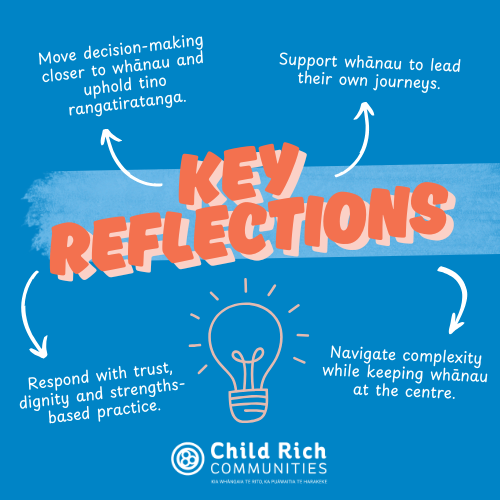
As our 18-month Child Rich Communities Learning Cluster moves toward its final stages, we continue to see rich learning emerge from the experiences of participating sites. Across the motu, teams are reflecting on what it takes to move decision-making closer to whānau and mokopuna, strengthen local leadership, and support wellbeing through relational, community-led practice. These insights are shaping not only day-to-day mahi, but also how we collectively understand power, partnership and shared responsibility in practice.
This month, we are grateful to share reflections from Pekehaua Amohau (Kaitūhono, Waiapu Kids Merivale Whānau Aroha), who offers honest whakaaro from her Learning Cluster journey. Her reflections explore the realities of walking alongside whānau, navigating complex systems, and upholding mana-enhancing, whānau-led approaches. They speak to the courage and intentionality required to share authority and support whānau tino rangatiratanga in meaningful ways.
End-of-year reflections from the Learning Cluster – December 2025
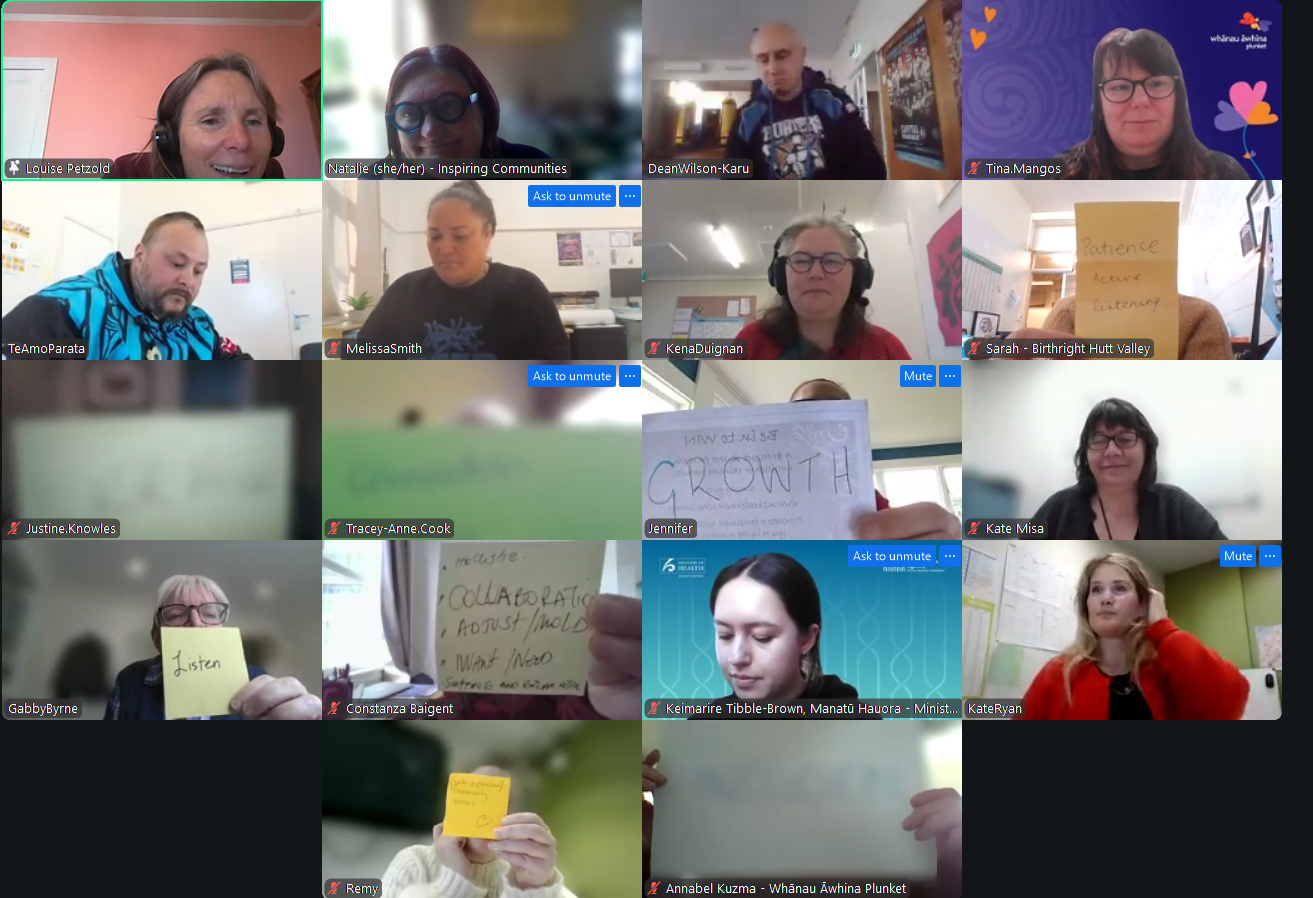
In our final Learning Cluster hui for 2025 we began by pausing and feeling into the support of Papatūānuku, before sharing what has been meaningful in our lives and mahi since we last met.
Together, we reflected on whose lives have been touched through our mahi this year. Tamariki and whānau were at the heart of every story. Across the sites, people spoke about how changes in their environments have helped whānau feel more empowered, and reminded us of the importance of whānau voice, how we gain it, and how we respond. A common thread was the need to build a strong sense of ownership so tamariki and whānau feel connected, trusted, and able to contribute to their place.
We also revisited the Learning Goals we set in January, sharing the unexpected possibilities that have emerged and our dreams for the journey ahead. From people continuing to show up, rangatahi inspiring adults, and whānau connecting through noticing movement and change – this mahi continues to surprise and strengthen us.
Looking to 2026, the group hopes for more opportunities to connect kanohi ki te kanohi, to share stories, and to celebrate our time together.
Wishing everyone and their whānau mauri ora and a restful summer.
What we’re learning
Environments that nurture empowerment help tamariki and whānau see real change and possibility.
Whānau voice remains central, how we listen and respond shapes the mahi.
Ownership strengthens connection. When people feel trusted, they step forward.
Social connectivity is essential, and unexpected sparks often come from rangatahi.
Empowerment can shift dynamics in powerful ways, even leaving us, at times, feeling wonderfully redundant.
Learning together reduces isolation, builds confidence, and inspires new approaches.
Latest insights and session summaries – Oct/Nov
Our last online kōrero we heard from two of our Learning Cluster groups Te Pae Urungi from Wesley Community Action and The Dunedin Plunket Hub Kōtahitakai. Their reflections show how shifting decisions closer to whānau, removing barriers to participation and supporting local leadership can create the conditions for true child and whānau wellbeing. Their mahi reminds us of what can grow when community leads the way.
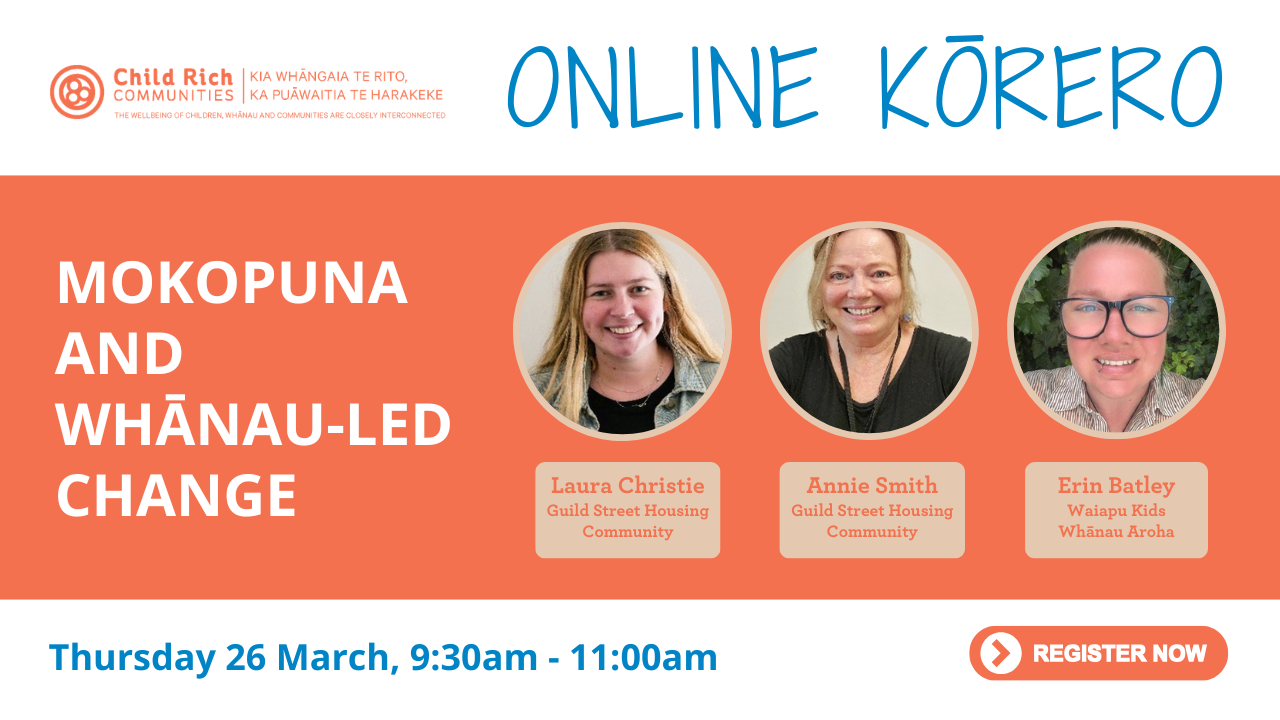
In March 2026 we will be hearing from our final two Learning Cluster sites Guild Street Housing and Whānau Aroha. Registrations will open in February 2026.
Our November session with David Hana explored what a Child Rich Community looks like for our sites, places where whānau can bring their strengths, feel welcome, exercise tino rangatiratanga, and where tamariki are truly seen, heard and supported to grow their own empowerment.
The group reflected on the relationships that make this possible: authentic connection, consistency, compassion and modelling the behaviours we hope to see, grounded in “connection not correction.”
We also considered how to foster these relationships in practice by keeping the kōrero alive, creating safe and culturally rooted spaces, building moments of stability for whānau, and supporting parents and tāne to reconnect with their tamariki.
David closed by reminding us that we are working within two systems, a dominant, trauma-shaped system in decline, and an emergent, whānau-led system growing alongside it, and that our everyday mahi helps nurture this shift toward a more holistic, child rich future.
Our October session with Nicola Atwool explored what trauma-informed practice looks like within Child Rich Communities, emphasising that connected, supportive communities are essential for mokopuna to thrive.
Connection to people, place and whenua is a powerful protective factor, especially where trauma has been experienced, and healing grows through safe, trusting, culturally grounded relationships rather than deficit-focused approaches. Nicola reminded us that resilience is developed, not innate, and that adults play a crucial role in modelling regulation and relational support.
Her six guiding principles: safety, trust, peer support, collaboration, empowerment and cultural responsiveness, provide a foundation for community-level practice that strengthens protective factors and enables whānau to flourish.
Trauma-informed practice must be embedded across all levels of the system, with no wrong door for support, a shared duty to care, and a commitment to understanding our own trauma stories as part of creating meaningful system change.
The power of whānau and rangatahi-driven community change – August 2025
Over the past few months, our Learning Cluster has been digging deep into the real challenges of building child, rangatahi and whānau-rich communities. What we’ve discovered is that none of us are alone – the hurdles we face are often shared by others. By identifying and naming these challenges through storytelling and sharing, we’ve been able to think more creatively, see new possibilities, and give ourselves permission to sit with discomfort rather than rush to “fix it” mode.
Taking time to pause and reflect has been a key ingredient in this mahi – and it’s often the first thing to crumble when we’re under the pump, responding to the sheer load of work (no matter how valuable that mahi might be!).
We’ve all experienced moments of feeling stuck: unsure how to engage, how to collaborate well, how to encourage whānau and rangatahi voices. So what are the keys to unlocking that stuckness?
This month, we focus on Waiapu Kids Merivale Whānau Aroha and Te Pae Urungi (Wesley Community Action), and the wisdom they bring to navigating these challenges.
What we’re learning
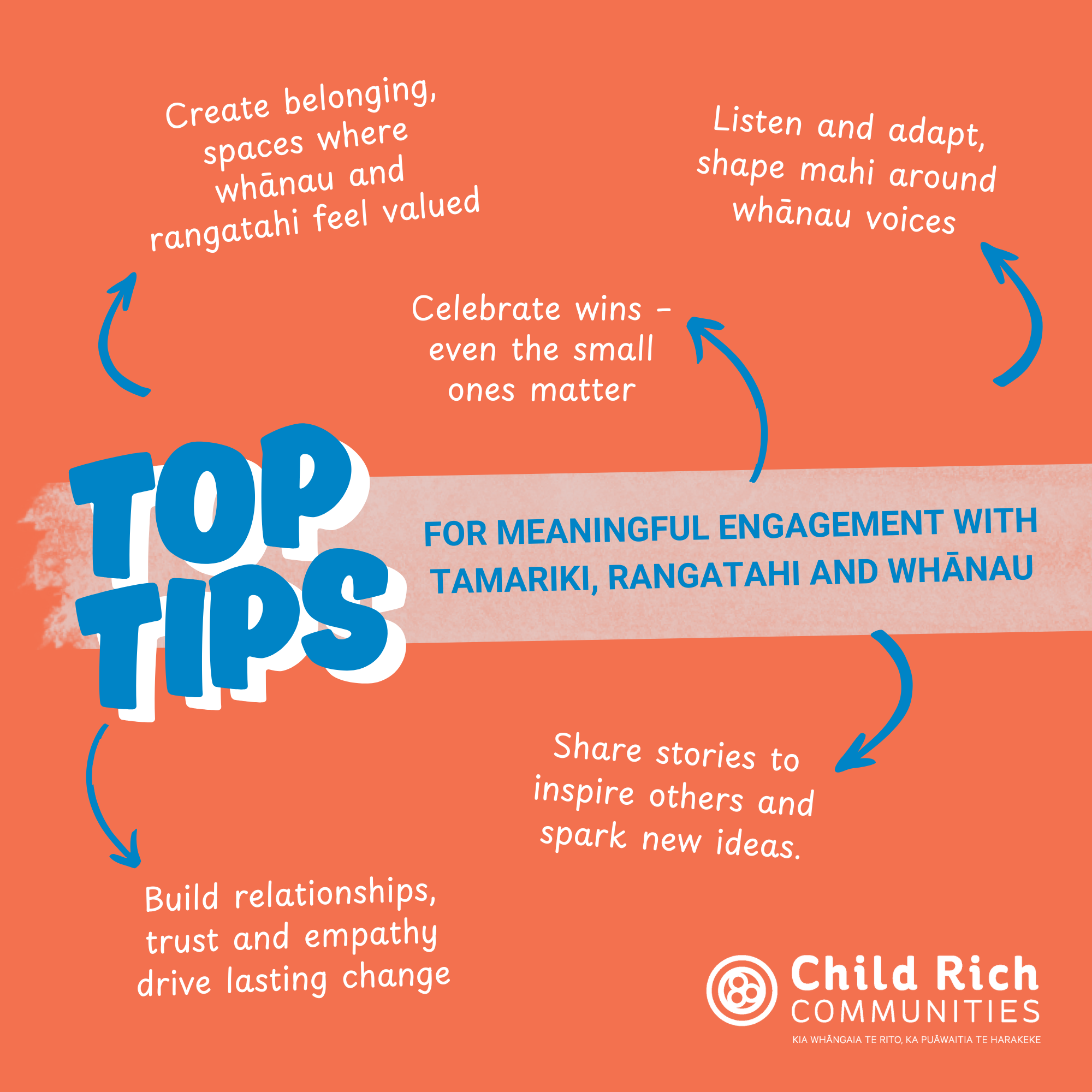
Belonging matters. Creating spaces where rangatahi and whānau feel welcomed and valued is key to long-term engagement.
Start with relationships – trust, empathy, and consistent communication underpin lasting change.
Listen and adapt. Be open to what whānau and rangatahi are saying, and be ready to shift your approach based on their ideas and needs.
Celebrate progress, even small wins. Visible changes help sustain momentum and strengthen community ownership.
Share your story. Storytelling strengthens your mahi, inspires others, and sparks fresh ideas.
Community-Led Change in Action – April 2025
Our Learning Cluster is now underway, with monthly one-on-one sessions at each site, and group hui every three months. This is a co-learning journey, an opportunity for deep reflection on how we can better enable children, rangatahi and whānau to know their value and place in community.
This is about generative, not depreciative, thinking and action—a crucial mindset shift if we’re to support mokopuna to thrive in an uncertain future.
We know tamariki are shaped by their environment. While there’s growing awareness of the importance of the first 2,000 days of life at home, less attention is paid to the role of community in laying the foundation for lifelong wellbeing.
We’ve seen that when children, youth and whānau are connected, valued and empowered as vital members of their communities, a deep resilience and enduring health follows—despite the changing tides of politics or social pressures.
Community action focused on children has a ripple effect—strengthening whānau connections and growing lasting relationships. When mokopuna are central, whānau gain confidence and space to make decisions, reclaim power, and spark system-level change for stronger communities.
This approach requires a shift from top-down service delivery to one that is part of systems change and community development. It means trusting that whānau and mokopuna already hold the answers—if we create space, listen deeply, and challenge where our own trauma or organisational blind spots might get in the way.
Child Rich Community practices may seem simple, but true change happens when people and organisations go beyond good intentions—seeing children as taonga and embracing their leadership. That’s when we see cycles broken, stories rewritten, and lasting wellbeing achieved with and by communities.
What we’re learning
Every few months, we’ll share gems and insights from our Learning Cluster sites. This month we spotlight:
🔹 Guild Street Community Housing Village, Ōtautahi
🔹 The Dunedin Plunket Hub – Kotahitaka, Ōtepoti
Both are creating child-rich places, but in different ways. At Kotahitaka, the focus is on whānau-led design of services and a welcoming community space. At Guild Street, it’s about long-term commitment to a child-centred neighbourhood—not just housing, but community building.
Despite their differences, both sites are driven by a clear intention: empowering whānau and mokopuna to be self-sustaining, resilient and well. One recurring theme? Engagement—and how to do it well.
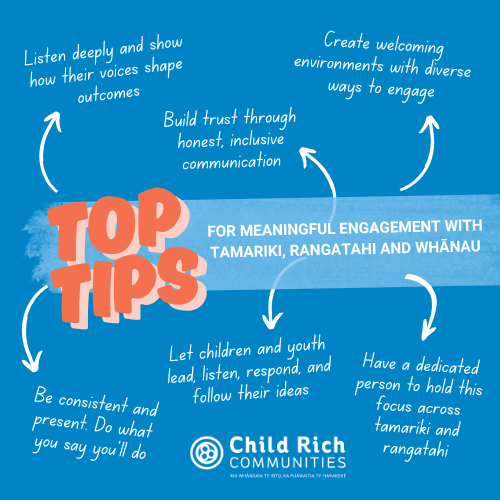
Top tips for meaningful engagement with tamariki, rangatahi and whānau
Listen deeply and show how their voices shape outcomes
Create welcoming environments with diverse ways to engage
Build trust through honest, inclusive communication
Let children and youth lead, listen, respond, and follow their ideas
Be consistent and present. Do what you say you’ll do
Have a dedicated person to hold this focus across tamariki and rangatahi
More about our Learning Cluster sites
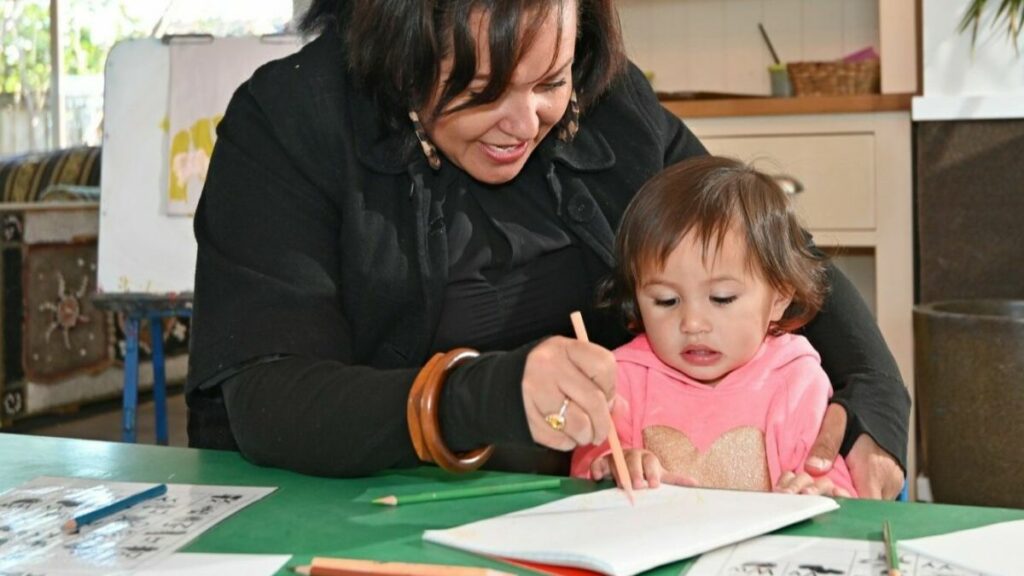
Anglican Care Waiapu, Waiapu Kids Whānau Aroha Early Childhood Centres provide a place of belonging, kinship, and support for whānau in high-needs communities. By integrating kai, transport, advocacy, and connections to wider services, these centres are designed to uplift families alongside their tamariki. Through the Learning Cluster, ACW hopes to deepen its commitment to community-led approaches, empowering whānau to take an active role in shaping the future of their centres and building leadership from within.
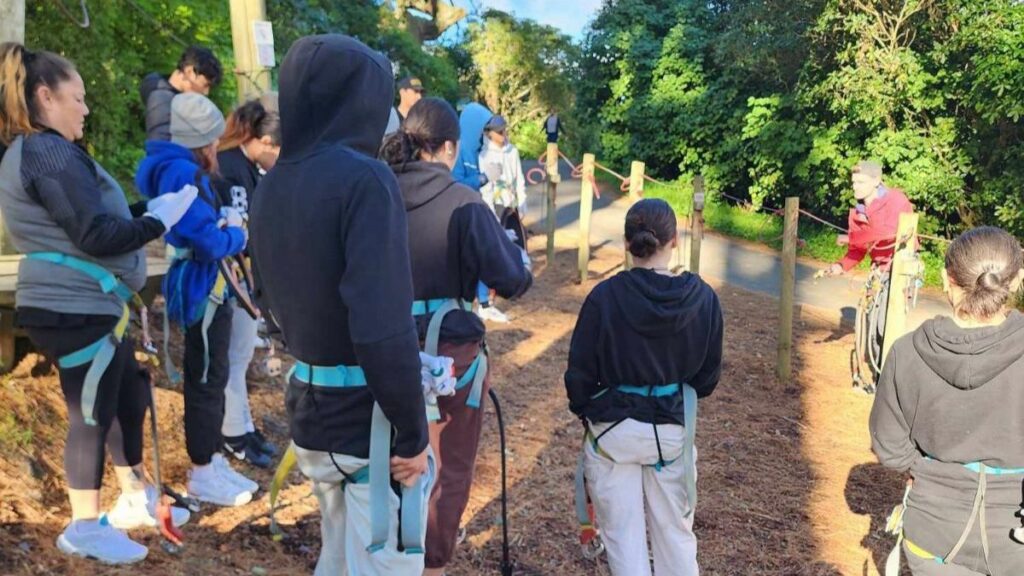
Te Pae Urungi, part of Wesley Community Action, is based in the Eastern suburbs of Te Whanganui-a-Tara, Wellington, creating a space where community voice is valued and whānau are supported to achieve their aspirations. The team works closely within their communities, nurturing strong relationships to foster leadership through fitness, wellbeing, personal development, and advocacy. Through the Learning Cluster, they hope to create space for reflection, share their learnings more widely, and continue evolving their mahi to support tamariki in growing their hopes and aspirations within whānau.
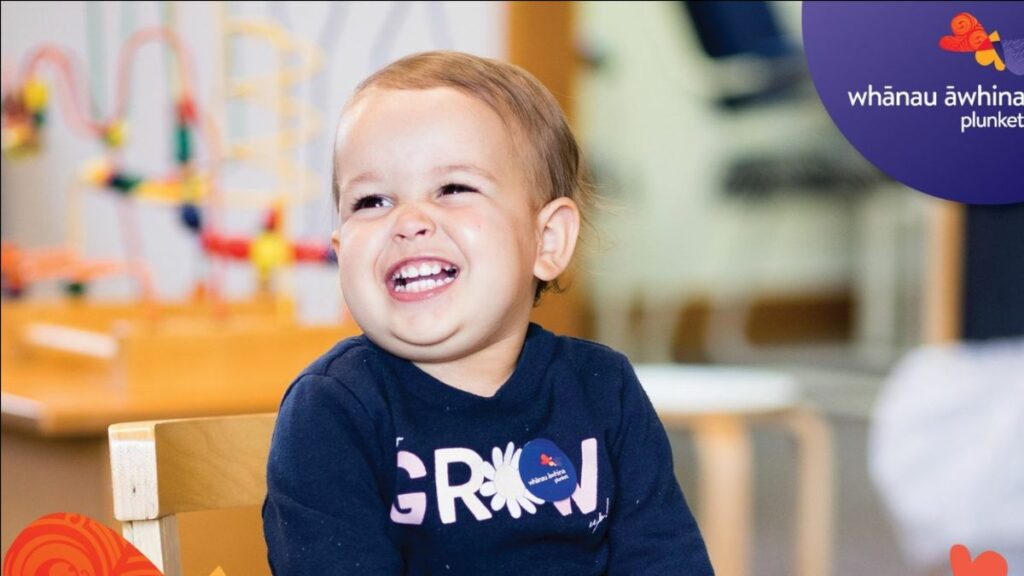
The Dunedin Plunket Hub – Kotahitaka, Ōtepoti is a central space in South Dunedin where whānau with tamariki under five can access wraparound support. Bringing together clinical and community teams, the hub offers well-child checks, whānau connections, injury prevention, home safety advice, and home help services. Through the Learning Cluster, they aim to strengthen community connections, ensuring whānau have a voice in shaping the hub as a welcoming and supportive space.
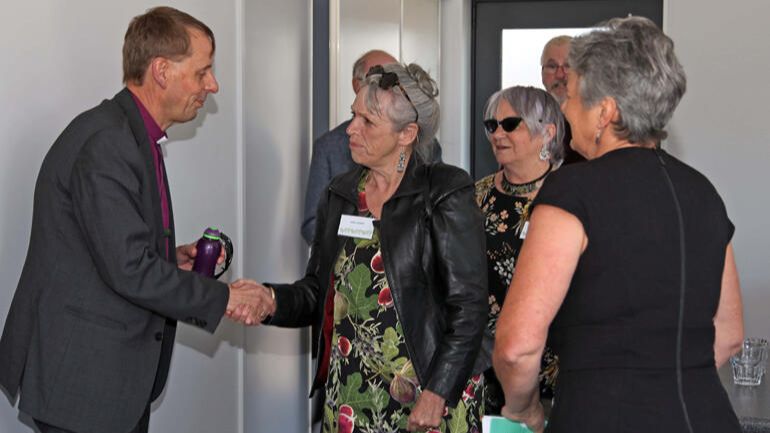
A Place Called Home – Guild Street Community Housing Village, Ōtautahi, led by Christchurch Methodist Mission, is more than just housing, it integrates social support and community development, creating a stable and supportive environment where whānau and tamariki can thrive. Through the Learning Cluster, they aim to deepen their reflective practice, strengthen connections with like-minded initiatives, and enhance the use of community-led development tools to further support whānau and tamariki.
Whaowhia te kete mātauranga. Fill the basket of knowledge.
We honour all those communities and organisations who have shared their practice and wisdom with us. Nau mai haere mai e te whānau! We are excited about paddling this waka with you.